

Alzheimer’s imaging
Alzheimer’s imaging Alzheimer’s (Dementia) is an acquired syndrome in which a person suffers from progressive impairment in one of the following six cognitive domains: complex attention, executive function, learning and memory, language, perceptual-motor function, and/or social cognition. These cognitive deficits cannot be attributed to another mental disorder (e.g., depression or schizophrenia) and must be severe enough to interfere with independent daily functioning to be classified as a “major neurocognitive disorder” (major NCD) according to the DSM-V edition. This new choice
Cognition Neuroimaging
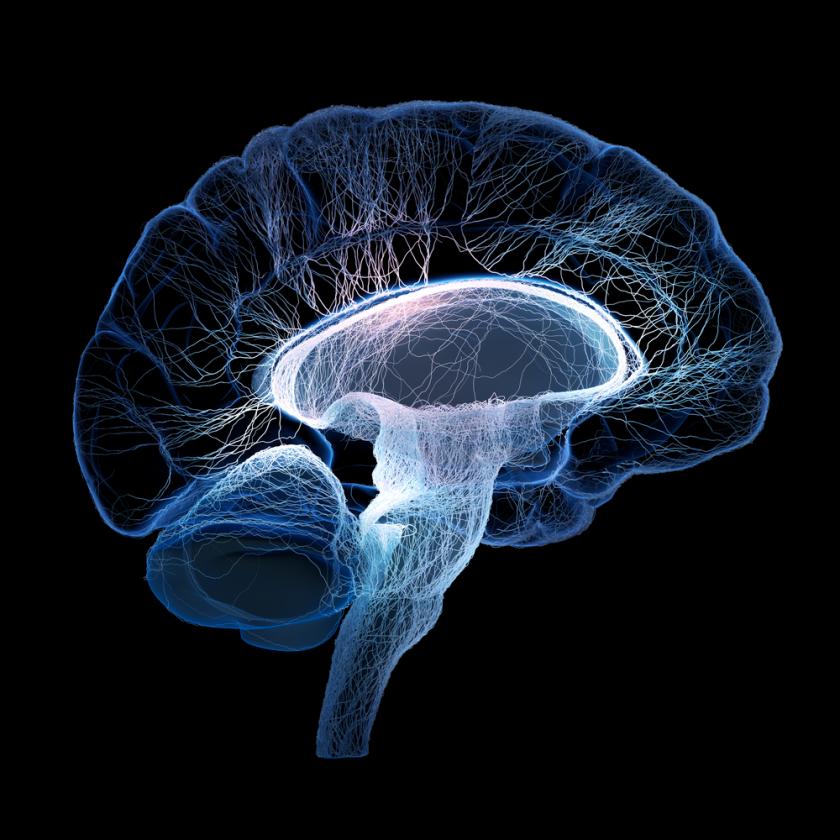
Cognition Neuroimaging Neuro imaging in many respects revolutionized the study of cognitive neuroscience, the discipline that attempts to determine the neural mechanisms underlying cognitive processes. Early studies of Brain-behavior relationships relied on a precise neurological exam in the basis for hypothesizing the site of brain damage that was responsible for a given behavioral syndrome. The advent of structural brain imaging, first with computerized tomography and later with magnetic resonance imaging, paved the way for more precise anatomical localization of the
Glioblastoma Neuroimaging
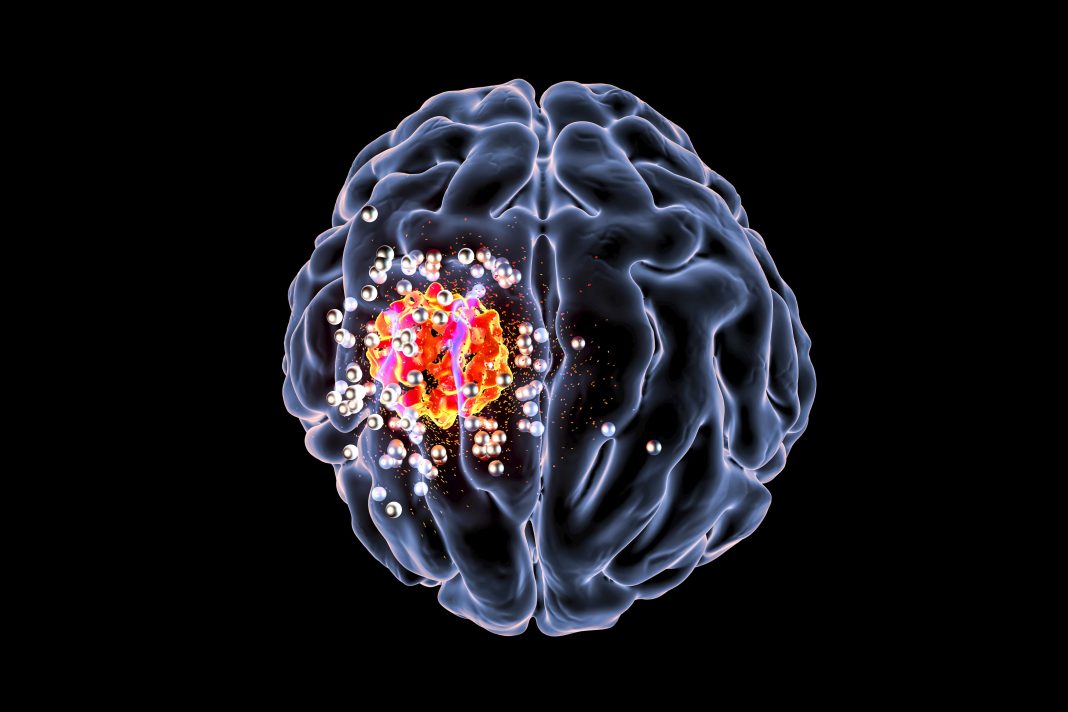
Glioblastoma Neuroimaging Neuroimaging plays a central role in the initial diagnosis and subsequent monitoring of multimodal therapies offered to patients with glioblastoma – the most malignant type of brain cancer. The authors present a comprehensive description of current state-of-the-art clinical neuroimaging for glioblastoma. They cover the basic concepts and most recent applications of clinical structural neuroimaging, as well as the latest innovations and up-and-coming techniques for functional imaging of glioblastoma patients. Glioblastoma (GBM) is the most common adult primary intracranial